


Indium is a rare metal, and its distribution in the earth's crust is relatively small and scattered. It has a slightly bluish luster, a very soft texture, strong plasticity, and good ductility, and is widely used in aerospace, radio, and electronics industries, medical, national defense, high-tech, energy, and other fields. In addition to beryllium and several refractory metals, indium can form different types of indium alloys with almost all elements in the periodic table.
Advantages of Indium Alloys
Improve the mechanical properties of the alloy
Indium can be mixed with titanium, molybdenum and other metals to prepare high-strength titanium alloys, high-hardness molybdenum alloys, etc. Because of the indium element contained in these alloys, their strength, stiffness, hardness and other properties are improved, and they also exhibit higher corrosion resistance.
Improve the corrosion resistance of the alloy
Indium is highly resistant to corrosion and can form a dense oxide film on the surface of the metal, thus protecting the metal from corrosion. Therefore, indium occupies an important position in alloys used in high-temperature, high-pressure, strong acid, and strong alkali environments.
Less stress on parts
Less heat in any soldering or brazing application translates to less stress for the components involved. This is due to less thermal expansion during the bonding process.
A usable plastic range
Since there is a gap between the temperatures that these alloys start melting and turn completely liquid, they are especially useful for brazing applications with uneven surfaces where a fully liquid braze may start dripping away from the joint area.
Improved wetting of ferrous alloys
The addition of indium into the Silver-Copper system is known to improve wetting to ferrous metals.
Increased profits
This is due to reduced energy consumption, reduced rework (due to less stress on parts), and reduced field failures.
-

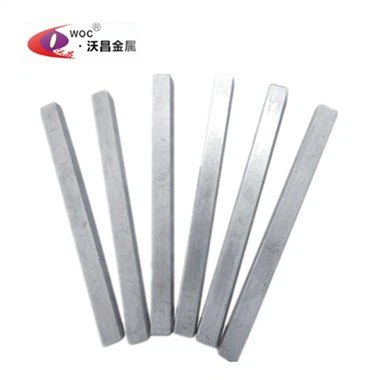
Field's metal or Field's alloy is a indium-based eutectic low melt alloy made of three low-melting metals such as indium, tin and bismuth.
Add to Inquiry -
Custom Eco-friendly eutectic indium bismuth alloy which melting point is 72C.
Add to Inquiry -
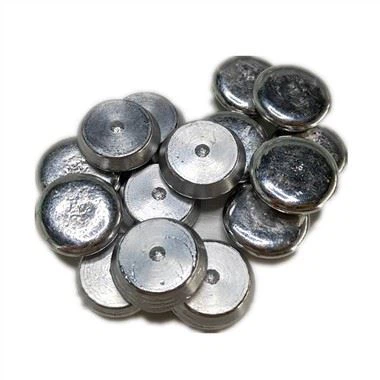
Eutectic Solder Indium Tiny Alloy
Wochang supply eutectic indium tin solder,melting point 117 ℃,any shape can be available.
Add to Inquiry -
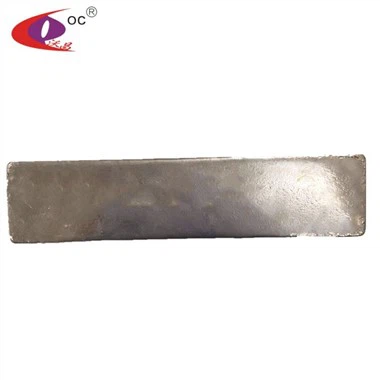
162F 72C 228F 109C Inidum Bismuth Alloy
They are eutectic low melt alloys made of two low-melting metals such as bismuth and indium.Indium bismuth alloy has low melting point and is non-toxic, lead-free and cadmium -free.
Add to Inquiry -
Indium tin alloy is eutectic alloy without lead or cadmium.
Add to Inquiry


Why Choose Us
Factory Area
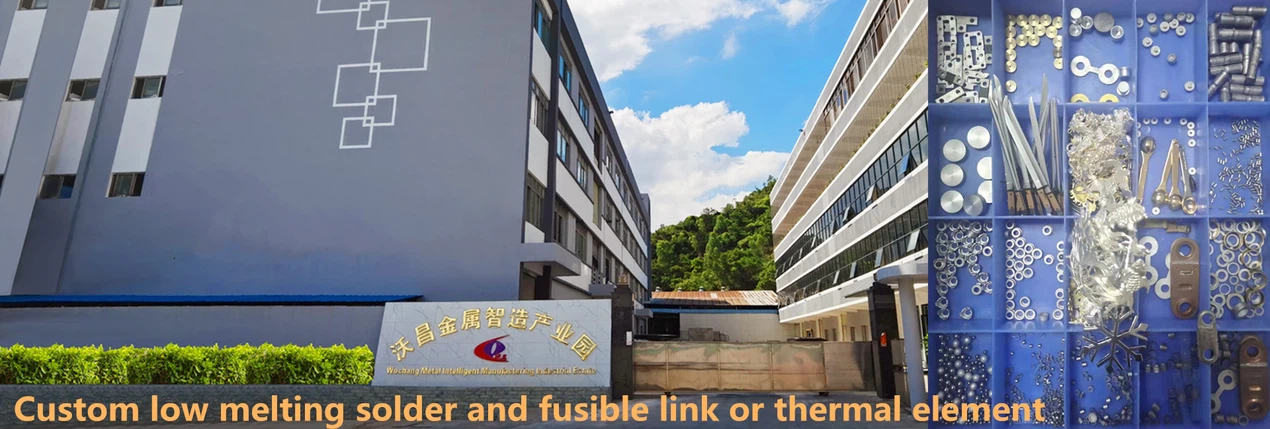
At present, the company has more than 100 employees and a plant area of 15,000 square meters.
Main Products
Jewelry accessories, handicrafts, jewelry boxes, perfume bottles, hardware accessories...
OEM Solutions
Accept customization of various proportions and shapes.
After-sales Service
Adhere to the principle of quality first, customer first.
Bearing alloy
Bearing alloys are widely used in the aviation and automotive industries. The bearing alloys mainly used in the manufacture of high-speed engine bearings include silver-lead-indium alloy, lead-cadmium-indium alloy, cadmium-silver-copper-indium, silver-thallium-indium alloy, lead-tin-indium alloy, copper-tin-indium alloy, lead-tin antimony arsenic indium alloy.
Ferromagnetic alloy
Ferromagnetic alloys are also called heusler alloys. The most widely used ferromagnetic alloy is copper manganese indium alloy (cu / mn / in).
Memory alloy
Indium thallium alloy (in / tl) and indium cadmium alloy (in / cd) are memory alloys, which belong to the new generation of alloys.
Decorative alloy
The addition of indium to the gold-silver-palladium-copper alloy used for ornaments can improve the hardness and durability of the ornaments and increase the color of the ornaments. The commonly used au75 / ag20 / in5 alloy is commonly known as ‘green gold'.
Dental and gemstone alloy
Indium alloy is also used in dentistry and gemstones. Its composition is usually: Gold 5 to 65% / palladium 2 to 30% / silver 10 to 15% / copper 10 to 15% / indium 0.5 to 5%.
Application of Indium Alloys
The uses of indium in the field of ito targets
Because indium ingot has good light permeability and conductivity, the glassy compound (ito) of high-purity indium oxide and tin oxide is used to make transparent and conductive electrodes in the plasma tv and lcd tv screen industries, and is also used as the sensitive element for some gas measurements. 70% of global indium consumption is used to produce ito targets.
The uses of indium in the field of electronic semiconductors
Indium has the characteristics of high boiling point, low resistance, and corrosion resistance, and is also widely used in the electronic semiconductor industry. A considerable portion of metal indium is used to produce semiconductor materials.
The uses of indium in the field of radio
In the radio and electronics industries, indium is used to make special contact devices. This device is made by mixing and compressing indium and silver oxides.
The uses of indium in the field of stomatology
It is known that alloys used as dentures are basically alloys containing gold, silver, and palladium as main components and added with 0.5% to 10% indium. After adding a small amount of metal indium to the material of dental implants, the corrosion resistance and hardness of these implants can be significantly improved, and the alloy material will not be black.
The uses of indium in the field of alloy
After a small amount of indium is added into many alloys, the strength of the alloy, its ductility, its wear resistance, and corrosion resistance can be improved, so that indium has gained the reputation of ‘alloy vitamin'.
The uses of indium in the production of solar cells
Indium alloys can be used for the production of solar cells. Copper indium gallium selenium thin-film solar cells have the characteristics of low production cost, low pollution, and good performance under low light. The photoelectric conversion efficiency ranks first among various thin-film solar cells and is internationally known as a very promising new thin-film solar cell.
The uses of indium in the field of gasket or liner materials
Because of its excellent ductility (plasticity), low vapor pressure, and ability to adhere to a variety of materials, it is widely used as a gasket or lining material in high-altitude instruments and aerospace equipment.
The uses of indium in the field of atomic energy industry
In the atomic energy industry, indium is used to make neutron indicators. Many indium alloys are commonly used to manufacture control rods in nuclear reactors. Indium is also an excellent material for making neutron detectors and is comparable to gallium metal.
The uses of indium in the field of industrial bearings
The initial application field of indium metal in the industry is the manufacture of industrial bearings, and its use in this area continues to this day. The surface of the bearing is plated with indium, and the service life of the bearing is 5 times longer than that of the ordinary coated bearing.
The uses of indium in the field of brazing materials
Many fusible alloys of indium are used as brazing materials. With indium, parts made of piezoelectric materials can be firmly welded to each other. In the manufacture of multilayer integrated circuits, the selection of brazing materials containing indium is a crucial step.
Material of Indium Alloys

Indium Ingot
Trapezoid, smooth surface, white, with metallic luster, mainly used in the manufacture of various alloys, special welding, coating, electronic products and the production of high-purity indium.
Indium Trioxide
Light yellow, used in fluorescent screens, glass, ceramics, chemical reagents, etc.
Indium Hydroxide
Used in batteries, glass, ceramic chemicals, etc.
High-purity Trimethyl Indium
White crystalline crystal, mainly used as raw material for epitaxial growth of indium-containing compounds and semiconductor optoelectronic functional materials in GAEHI process.
High-purity Indium Chloride
Colorless or white powder, mainly used in phosphors, III-V compound semiconductors, low-voltage nano-lamps, manganese dry batteries, mercury-free negative electrodes, (zinc) anti-corrosion additives, and ITO transparent batteries.
How the Indium Alloys Works
Low melting point
Indium has a low melting point of 156.6°c, which allows indium alloys to be used in applications requiring a fusible material.
Thermal conductivity
These alloys can efficiently transfer heat, making them suitable for thermal management applications.
Malleability
Indium is malleable and can be easily formed, which is beneficial when the alloy needs to be shaped or used as a seal.
Bonding
Indium alloys can bond well with non-metallic materials, providing a good seal and making them useful in vacuum systems.
Cryogenic use
Due to their stability at low temperatures, indium alloys are often used in cryogenic applications.
For specific applications, the choice of alloying elements and the proportion of indium can significantly affect the properties and behavior of the final alloy. For example, adding silver to indium can improve the alloy's strength and thermal fatigue resistance, making it suitable for soldering electronic components.
It's important to note that the exact workings of an indium alloy will depend on its composition and the intended application. For detailed information on a particular indium alloy, consulting technical datasheets or material experts would provide the most accurate insights.
Avoid breathing dust/fumes: Use respiratory protection if you're exposed to dust or fumes from indium alloys.
Skin and eye protection: Wear protective gloves, clothing, and eye protection like safety glasses with side shields or chemical goggles to prevent skin irritation and eye damage.
Proper ventilation: Ensure that the area is well-ventilated, especially when working with molten metal or if exposed to fumes or dust.
Handling precautions: Do not handle indium alloys until you've read and understood all safety precautions. Avoid contact with skin and eyes, and do not ingest.
Hygiene: Wash your hands thoroughly after handling indium alloys, and avoid touching your face or eyes until your hands are clean.
Storage: Store indium alloys in a cool, dry place away from incompatible materials.
Emergency procedures: Know the emergency procedures in case of ingestion, skin contact, or inhalation. For example, if swallowed, seek medical advice immediately.

Comprehensive industry analysis
Indium alloys market offers an in-depth analysis of the industry landscape, providing a comprehensive overview of market trends, challenges, and opportunities. Our team of experts utilizes advanced research methodologies to ensure accuracy and reliability in every report.
Cutting-edge technology insights
Stay ahead of the curve with indium alloys market as it unveils the latest technological advancements shaping the industry sector. Our reports provide detailed insights into emerging technologies, innovations, and their impact on market dynamics.
Strategic market intelligence
Indium alloys market equips businesses with strategic intelligence to make informed decisions. From market entry strategies to competitive analysis, our reports empower organizations to navigate the industry landscape with confidence.
Customized solutions for every business
Recognizing the diverse needs of our clients, indium alloys market offers tailor-made research solutions. Whether you are a start-up exploring market opportunities or an established enterprise seeking to optimize strategies, our platform provides customized reports to meet your specific requirements.
Global reach, local expertise
With a global network of experienced analysts and industry experts, indium alloys market combines international perspectives with local insights. This unique approach ensures a holistic understanding of the industry market on a global scale.
Indium Alloys: A Sustainable Solution
Discarded smartphones, computers, and other electronic devices contain valuable indium that can be extracted and reused.
The manufacturing process often generates scrap containing indium. Recycling this scrap helps recover valuable metals and minimize waste.
Indium is used in thin-film solar panels. Recycling these end-of-life solar panels can recover valuable indium for reuse.
Recycling reduces the need to extract new indium from the earth, minimizing the environmental impact of mining activities.
Recycling indium conserves this limited resource, ensuring it will be available for future generations to enjoy.
Indium recovered from recycled materials can be a cost-effective alternative to virgin indium, benefiting manufacturers and consumers alike.
Our History
Wochang is located in the world factory-Dongguan,Guangdong which has very developed transportation and various industrial chains. At present, the company has more than 100 employees and a factory area of 15000㎡. And also has a complete production line from alloy smelting to finished product packing.
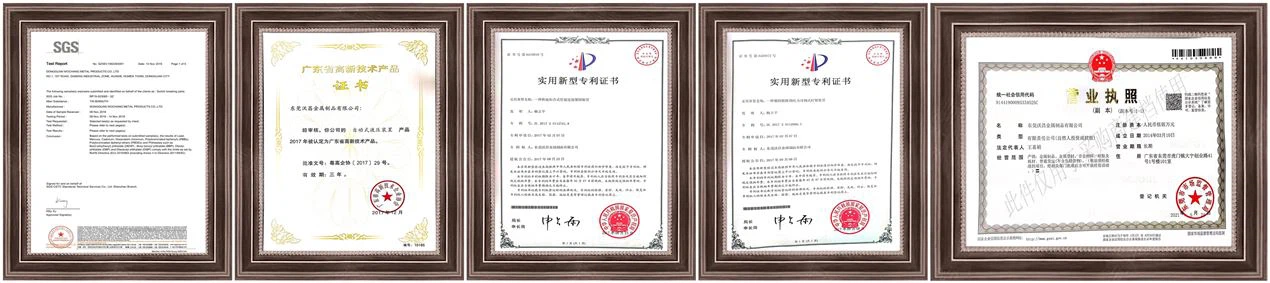
Our Certificates
FAQ
We're professional indium alloys manufacturers in China, specialized in providing high quality customized products. We warmly welcome you to buy or wholesale high-grade indium alloys for sale here from our factory. For price consultation, contact us.
Indium tin solder wire, pure indium wire, 144F 62C Field s Metal Alloy