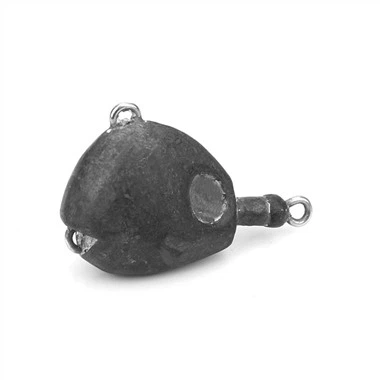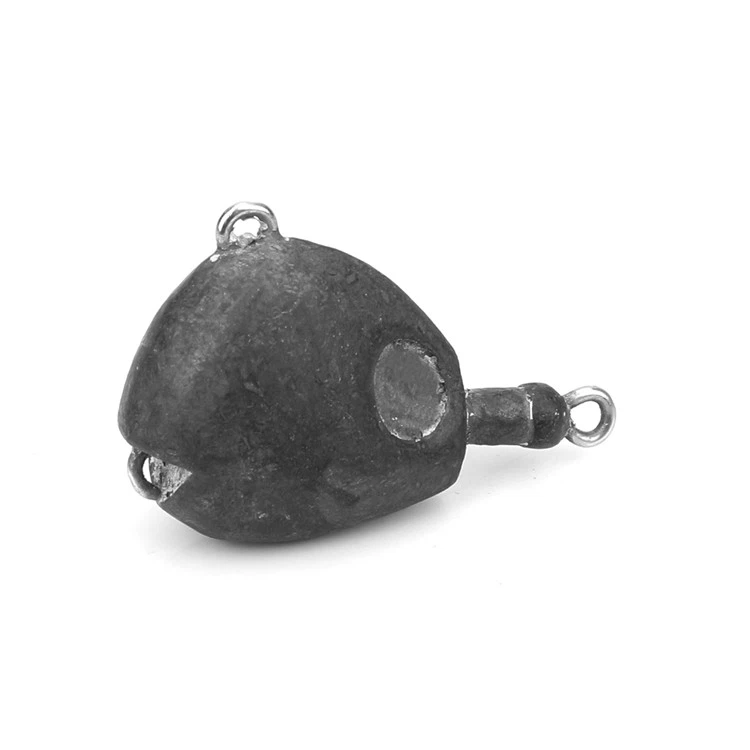
Fishing Sinker
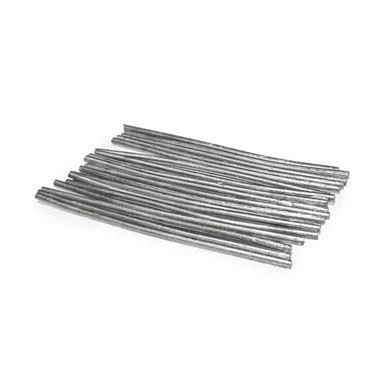
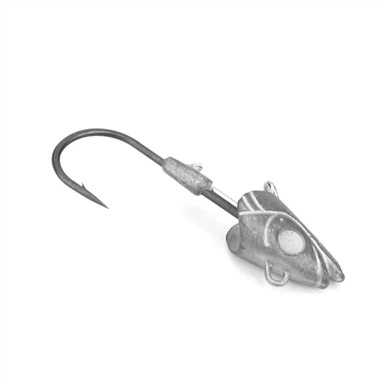
A Fishing Sinker, also known as a sinker, is usually made of lead, so it is also called a lead weight, a lead weight or a lead bob. It is an auxiliary fishing tool used when fishing, usually connected to a fish hook and a lead line.
Description
A Fishing Sinker, also known as a sinker, is usually made of lead, so it is also called a lead weight, a lead weight or a lead bob. It is an auxiliary fishing tool used when fishing, usually connected to a fish hook and a lead line. The sinker has three main functions: It pulls the fish hook with bait into the water and keeps it close to the bottom of the water. If a float is used at the same time, it can help straighten the lead and resist side drift caused by the water flow; In lure fishing, it can be used in the fishing group to help produce more complex movements;
Enhancing precision and control
One of the primary advantages of utilizing fishing sinker in fishing is the precision and control they offer. When properly attached to the fishing line, fishing sinker enable anglers to cast their bait with unparalleled accuracy. This precision is particularly crucial when targeting specific areas, such as submerged structures or areas with dense vegetation, where accuracy can make the difference between a successful catch and a missed opportunity.
Versatility across fishing environments
Fishing sinker exhibit remarkable versatility across various fishing environments. Whether you're angling in freshwater lakes, rivers, or brackish estuaries, it proves adaptable to different conditions. Their ability to quickly sink bait to the desired depth ensures that anglers can effectively target a wide range of fish species, making fishing sinker an invaluable tool for anglers pursuing diverse fishing experiences.
Enhanced bait presentation
The strategic use of fishing sinker contributes significantly to enhancing bait presentation. By adjusting the weight according to the fishing conditions, anglers can control the depth at which the bait sits in the water. This customization ensures that the bait mimics natural movements, enticing fish and increasing the likelihood of a successful strike. The result is a more natural and appealing presentation that lures in even the most cautious of fish.
Effective in various fishing styles
Fishing sinker seamlessly integrate into various fishing styles, making them a staple for anglers practicing techniques such as bottom fishing, drop-shotting, or carolina rigging. Their adaptability allows anglers to experiment with different styles and techniques, tailoring their approach to the specific habits and preferences of the fish they are targeting.
Increased sensitivity and bite detection
The added weight from lead sinkers enhances sensitivity in the fishing line, enabling anglers to detect subtle bites more effectively. This heightened sensitivity is particularly beneficial when fishing in challenging conditions or with species known for their delicate strikes. Anglers can respond promptly to changes in the line, maximizing their chances of a successful hookset.
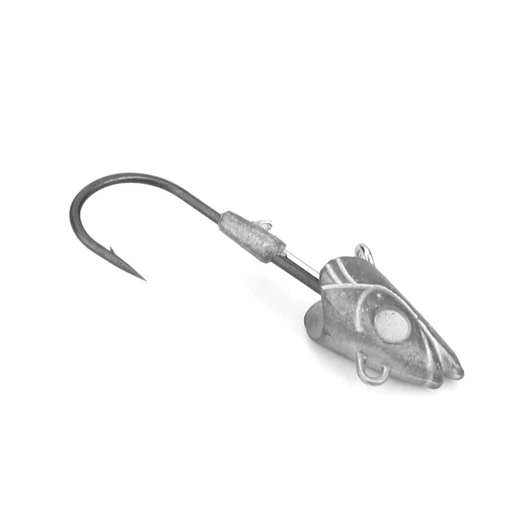
Why Choose Us
Melting Point Is Below Room Temperature
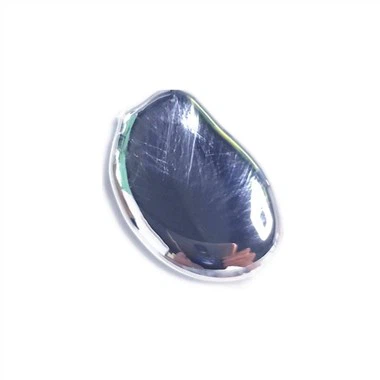
When alloyed with indium, the resulting melting point is below room temperature and lowered further when adding tin. Their low melting points have made the gallium alloys alloy family a non-toxic replacement for mercury in applications that require a liquid metal at room temperature.
Low Vapor Pressure
Gallium alloys is also one of the few materials, like water, that expands upon freezing. Unlike toxic mercury, it has low vapor pressure. gallium alloys's high surface tension and low viscosity and other properties make it a material that will likely find many other uses in the future.
Ideal Base Carriers
Gallium alloys alloys are ideal base carriers for temperature-sensitive ferrofluids, which can be used for energy convection, soft robotics, microchannels, magnetorheological devices, etc.
Realize Low Viscosity
Gallium alloys was mixed with different substances (in, sn, zn, ge, and al) to obtain a low melting point, reduce the wetness and adhesion of its alloys, and realize low viscosity.
Types of Fishing Sinker
Split-shot
The simple little split-shot weight that can be crimped onto an angler's line wherever desired is among the most versatile of all fishing weights. Split-shot weights with ears or wings-For quick opening and closing with pliers-Are among the best type, because of the speed at which they can be rigged. They also can be reused with ease.
Rubber-core sinkers
Rubber-core and clasp-on or dog-ear sinkers still are in wide use because they easily can be fitted onto fishing line to get baits and lures deep. Most are for use when weights larger than split shot are needed. But such rubber-core weights can cause monofilament line twist when retrieved fast or trolled, and because of their on-line bulk, they can jam easily in rocky bottoms and on shell bars.
Sliding sinkers
Sliding sinkers having a hole through their centers and are another excellent and extremely versatile type weight for fishing. The egg or barrel sinker and the worm weight are the most common of this type. They are among the most popular sinkers sold in tackle shops today.
Stationary sinkers
This type of sinker is designed to take a lure or bait deep, and anchor it in a chosen spot to draw fish. The shape of the sinker is important, because when used correctly, its design makes it stationary.
Worm weights
A worm-weight or bullet sinker is typically a cone-shaped piece of lead with a hole through its center. It's used primarily for freshwater bass fishing with soft plastic lures. They're available in a wide variety of weights, and are superb for working plastic worms, grubs, and even natural baits through weeds, as the cone-shape of the weight bores and slides well through obstructions without easily fouling.
Pyramid, dipsey, bank sinkers
The old standby pyramid, dipsey, and bank sinkers are useful for much of the same stationary bait-soaking purposes. Many of these are commonly used by shore-bound anglers chasing catfish, and also for holding live baits in proven fish areas for species such as bass, stripers, trout, pike, and walleye.
Sinking the bait
As their name suggests, Fishing sinker are primarily used to sink the bait to the desired depth where the target fish are located. This is especially important when fishing in deep waters or targeting bottom-dwelling species.
Casting distance
Fishing sinker and weights can help increase the casting distance of your line. A heavier sinker will allow you to cast your line further, enabling you to reach fish that are further away from your location.
Stabilizing the line
In moving waters or windy conditions, Fishing sinker and weights help stabilize the line, preventing it from drifting and keeping the bait in the desired location.
Bait presentation
The use of Fishing sinker can affect how the bait is presented to the fish. For example, certain Fishing sinker allow the bait to move freely, making it more attractive to fish, while others keep the bait stationary.
Sensitivity
In some cases, Fishing sinker can act as a bite indicator by transmitting the vibrations of a fish nibbling at the bait along the line to the angler's rod.
Steel vs. Tin
In many ways, steel fishing sinkers have many advantages. Steel is relatively heavy and does not have the negative health effects of lead. Steel is not suitable for split sinkers or any sinkers that require clamping. Another non-toxic option is tin. Tin is lighter than steel, but also softer. Tin can be a good split sinker material due to its relative softness.
Tungsten
This product has become the most popular non-toxic lead alternative for anglers around the world. Tungsten has advantages over lead in terms of relative weight and density. In fact, most tungsten sinkers are smaller and more compact than similar weight sinkers (this depends on the manufacturer).


Bismuth
Bismuth is another non-toxic alternative, usually in the form of lead pellets. Lead pellets are sometimes placed inside parachute cord to make what is commonly known as a "spring sinker." The spring sinker is attached to the main line with a small steel buckle and swivel. This type of sinker is popular with fly fishermen and rainbow trout fishermen who use the spring sinker to drift on the bottom. There are other bismuth fishing sinker products, including fish hooks, but they appear to be in limited supply, at least in Canada. Like tungsten, bismuth sinkers are more expensive than lead.
Brass
The use of brass is not uncommon in the fishing world. Bass anglers have used brass sinkers for some time because it is a loud metal, especially when paired with a brass rattle. Bass anglers use brass sinkers in Texas rigs and allow multiple sinkers to hit each other.
Clay
They are much larger than sinkers made of lead or tungsten. I can't imagine drift fishing for steelhead with a marble-sized sinker. Clay sinkers also have to be tied to something because there is no crimping. Some clay sinkers are advertised as environmentally friendly because they break down over time when they hit the seafloor.
Tips for Choosing the Right Fishing Sinker Weight
Consider the conditions when you'll be fishing. Is it windy? Is the current strong?
Consider the type of fishing you'll be doing. Will you be fishing from a boat or from the shore?
Determine what weight will allow you to get your bait in the correct strike zone. How deep do you need it to go?
Choose the lightest weight that will help you achieve your goals. A weight that's too light won't achieve the proper strike zone or distance. But a weight that's too heavy will make it difficult to feel when a fish bites, and the fish may feel the weight before it's properly hooked.
Have a variety of options ready to choose from, and be prepared to change the weight of your sinker as needed while you're fishing.
Don't be afraid to try new combinations and strategies.
Fishing Sinker Manufacturing Process
Mixing
The process of mixing tungsten powder with nickel powder. Lubricants are also added to the mixture to reduce the amount of friction that occurs in the next stage, called pressing.
Pressing
The actual formation process of each tungsten weight. The powder mixture is pressed into a mold and compressed under extreme pressure to ultimately form the initial size and shape of the tungsten weight.
Sintering
The final step in the process, the tungsten weight is put through a controlled heating process. The heat is enough to melt the binder material, causing the powder particles to bond together and shrink. This forms the final shape and size of each Angler tungsten weight.
Choose the right fishing sinker
Choose a fishing sinker of the right weight and shape according to the fishing environment and target fish species. The weight of the fishing sinker is usually marked on the fishing equipment, and you can choose the right fishing sinker according to your needs.
Install the fishing sinker
Choose a suitable position on the fishing line and fix the fishing sinker on the fishing line using a fishing line fishing sinker clip or a line tie knot. Make sure the fishing sinker is firm and not easy to loosen.
Launching and retrieving
Launch the fishing sinker into the water, and adjust the position and tension of the line rod as needed to sink the fishing sinker into the water. If you need to change the position, you can gently pull the fishing rod and use the retrieving device to quickly retrieve the fishing sinker.
Pay attention to safety
Pay attention to safety when using the fishing sinker. Avoid direct contact of the fishing sinker with the skin, and use gloves or other protective equipment to avoid potential harm of lead to the human body.
Adjust the fishing gear
According to the situation and needs, the length of the fishing gear, the position of the hook and the weight of the bait can be adjusted to adapt to different fishing environments and fish species.
Our History
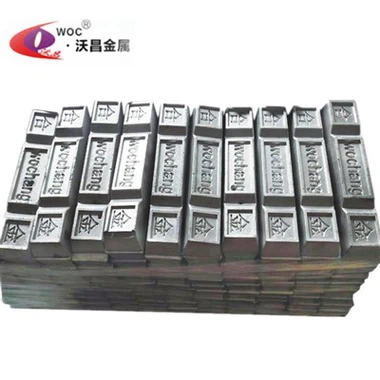
Wochang is located in the world factory-Dongguan,Guangdong which has very developed transportation and various industrial chains. At present, the company has more than 100 employees and a factory area of 15000㎡. And also has a complete production line from alloy smelting to finished product packing.

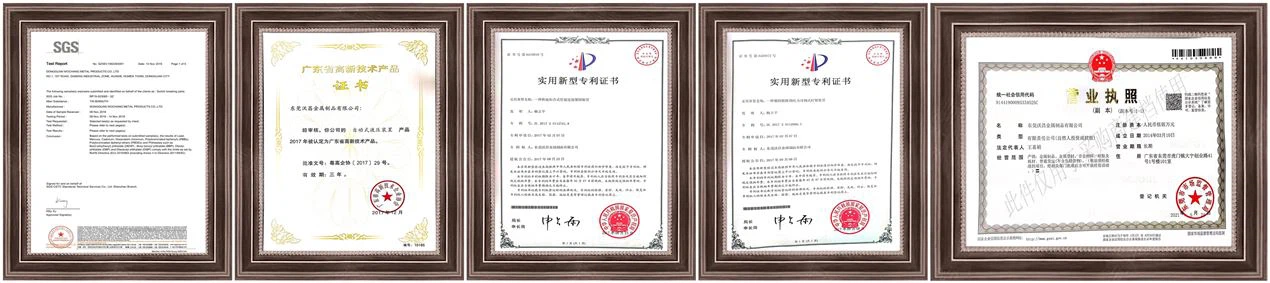
Our Certificates
FAQ
Hot Tags: fishing sinker, China, manufacturers, factory, factory, customized, wholesale, buy, price, for sale, lead free bismuth tin jig heads, lead free metal fishing lures, vertical jigging lures, lead fishing jig heads, Fishing Sinker, slow jigging metal lure